Welcome to our company



 Send Inquiry
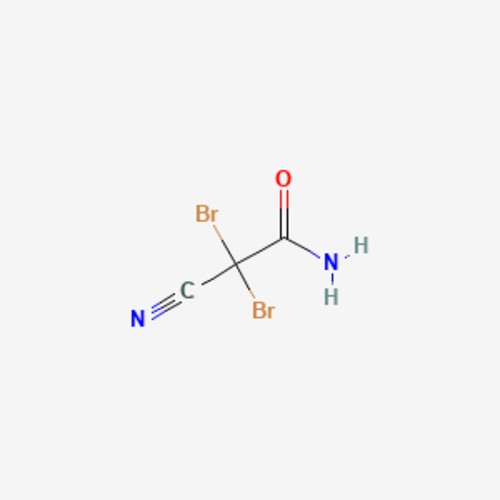
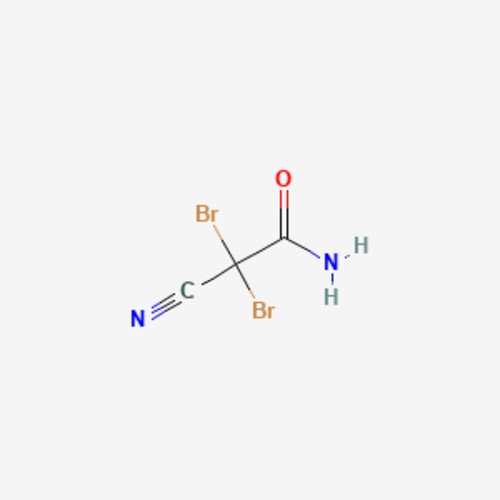
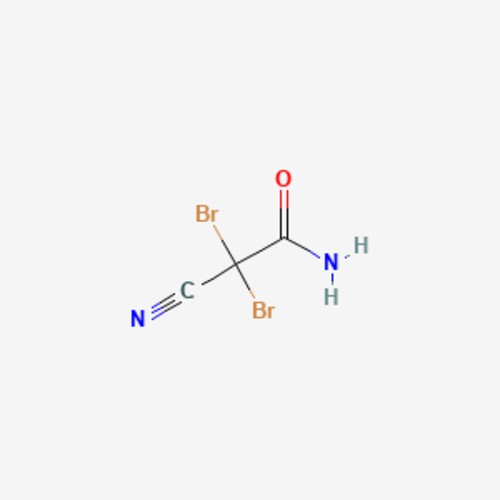
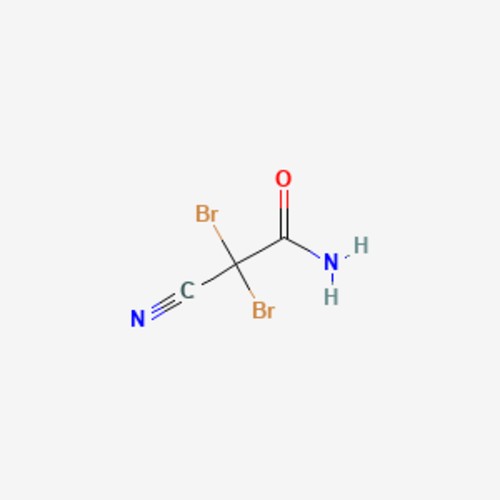
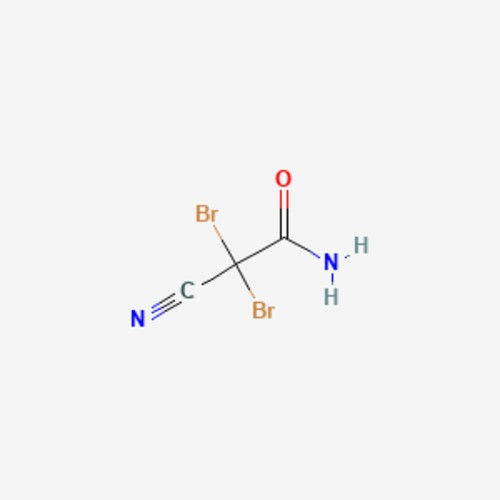
DBNPA (2,2- DIBROMO-3-NITRILOPROPIONAMIDE)
Price 400.0 INR/ Kilograms
MOQ : 100 Kilograms
DBNPA (2,2- DIBROMO-3-NITRILOPROPIONAMIDE) Specification
- HS Code
- OTHER
- Molecular Formula
- C3H2Br2N2O
- Taste
- OTHER
- Boiling point
- 122
- Inorganic Acid Types
- Others
- Grade
- Industrial Grade
- Purity
- 99%
- Application
- As biocides ingredient
- Appearance
- 20%
- CAS No
- 10222-01-2
- EINECS No
- other
- Other Names
- DBNPA
- Usage
- OTHER
- Melting Point
- OTHER
- Density
- OTHER Kilogram per litre (kg/L)
- Solubility
- OTHER
- Raw Material
- OTHER
About DBNPA (2,2- DIBROMO-3-NITRILOPROPIONAMIDE)
DBNPA (chemically known as 2,2-Dibromo-3-nitrilopropionamide) is a fast-acting, non-oxidizing biocide that is highly valued across industries for its rapid "quick-kill" antimicrobial action and its unique ability to degrade instantly into harmless byproducts, leaving zero environmental footprint. Unlike long-term preservatives like BIT, DBNPA is built to eliminate massive microbial contamination instantly.
1. Chemical Profile & Mechanism
-
Chemical Formula: C3H2Br2N2O
-
CAS Number: 10222-01-2
-
Appearance: Pure DBNPA is a white crystalline powder with a 99% purity profile. In industrial liquid forms, it is typically formulated as a 20% active solution using glycol-water carriers to maintain chemical stability and density controls.
How it Works (The "Quick-Kill" Action)
DBNPA works via a rapid chemical attack. It immediately reacts with surface components of the microbial cell wall and penetrates the cell, where it oxidizes the structural thiol (sulfhydryl) groups of proteins and enzymes. This completely halts cellular metabolism within minutes, causing a rapid kill rate that prevents microorganisms from developing any genetic resistance or presenting an institutional taste or odor footprint in treated process loops.
2. Key Applications
Industrial Water Treatment & Membranes
-
Reverse Osmosis (RO) Systems: DBNPA is the gold standard for online and offline slug-dosing of RO systems. Because it degrades so rapidly, it decontaminates the membranes without causing long-term structural damage or violating wastewater discharge permits.
-
Industrial Cooling Towers: Used as an intermittent slug-dose biocide to rapidly shock and clean out stubborn biofilm, slime, and algae build-up in recirculating systems.
Pulp & Paper Mills
-
Controls severe slime-forming bacteria, fungi, and yeasts in paper machine process water loops. It ensures the paper quality isn't compromised by dark biological spots or tears.
Oil & Gas Operations
-
Added to hydrofracturing fluids, drilling muds, produced water, and injection wells to rapidly kill Sulfate-Reducing Bacteria (SRB) before they can generate corrosive hydrogen sulfide gas (H2S).
Plant Hygiene & Plant Decontamination
-
In-Can System Shock: If a batch of water-based paint, polymer emulsion, or slurry gets heavily contaminated during manufacturing, DBNPA is added as a "curative" shock biocide to sterilize the batch within hours before a long-term preservative (like BIT or CMIT) is introduced.
3. Technical Performance & Stability
The performance of DBNPA is highly dependent on pH, which is also its greatest asset for environmental safety.
|
Parameter |
Performance & Behavior |
|
Solubility |
Readily soluble in water and organic solvents like glycols. |
|
pH Stability |
Highly pH-dependent. It is highly stable and active in acidic to neutral conditions (pH 3.0 to 7.0). In alkaline conditions ({pH} > 8.0), it undergoes rapid chemical hydrolysis. |
|
Temperature |
Stable at ambient temperatures. Avoid prolonged exposure near its thermal threshold or boiling point zone of 122oC, which accelerates rapid thermal breakdown. |
The Autodegradation Advantage (Hydrolysis)
When DBNPA is discharged into water systems, its alkaline breakdown is a major environmental benefit. It breaks down via hydrolysis into completely non-hazardous molecules, including cyanoacetamide and bromide ions.
-
At pH 7.0, its half-life is roughly 24 hours.
-
At pH 8.0, its half-life drops drastically to less than 2 hours.
This means it kills everything in the system, breaks down, and leaves zero hazardous chemical residues in the plant's outgoing effluent water.
4. Advantages & Limitations
Advantages
-
Ultra-Fast Kill Rate: Achieves a 99.999% microbial reduction within 15 to 30 minutes of dosing.
-
No Bacterial Resistance: Because its chemical mechanism is so aggressive and instantaneous, bacteria cannot mutate or build resistance against it.
-
Eco-Friendly Effluent: Ideal for facilities with strict environmental discharge limits, as it self-destructs into non-toxic components.
Limitations
-
No Long-Term Preservation: It cannot be used as an "in-can" shelf-life preservative because it breaks down too quickly in water.
-
Alkaline Degradation: If a system operates continuously at a high pH ({pH} > 8.5), DBNPA degrades too rapidly to achieve its full biocidal potential unless dosed at higher, costlier shock-volumes.
-
Reducing Agent Sensitivity: Its activity is instantly neutralized by reducing agents such as sodium metabisulfite or hydrogen sulfide.
5. Safety, Storage, and Handling
The industrial 20% liquid concentrate or raw powder is a highly hazardous material requiring strict industrial safety management:
-
Hazards: Corrosive. Causes severe, irreversible eye damage and skin burns. May cause allergic skin reactions and is harmful if swallowed or inhaled.
-
PPE Requirements: Fully enclosed splash goggles, heavy-duty nitrile or butyl rubber gloves, a protective apron, and long sleeves. A vapor/mist respirator is mandatory if handled in confined spaces where misting occurs.
-
Storage: Store strictly at room temperature in its original UV-protected, tightly sealed container. Keep in a cool, dark, well-ventilated warehouse away from direct sunlight, heat sources, and strong alkalis or reducing agents. Tariffs and regulatory export classifications can be verified under global shipping standards for chemical cargo upon request.
Tell us about your requirement

Price:
Quantity
Select Unit
- 50
- 100
- 200
- 250
- 500
- 1000+
Additional detail
Mobile number
Email

More Products in Biocides - Disinfactant Ingredients Category
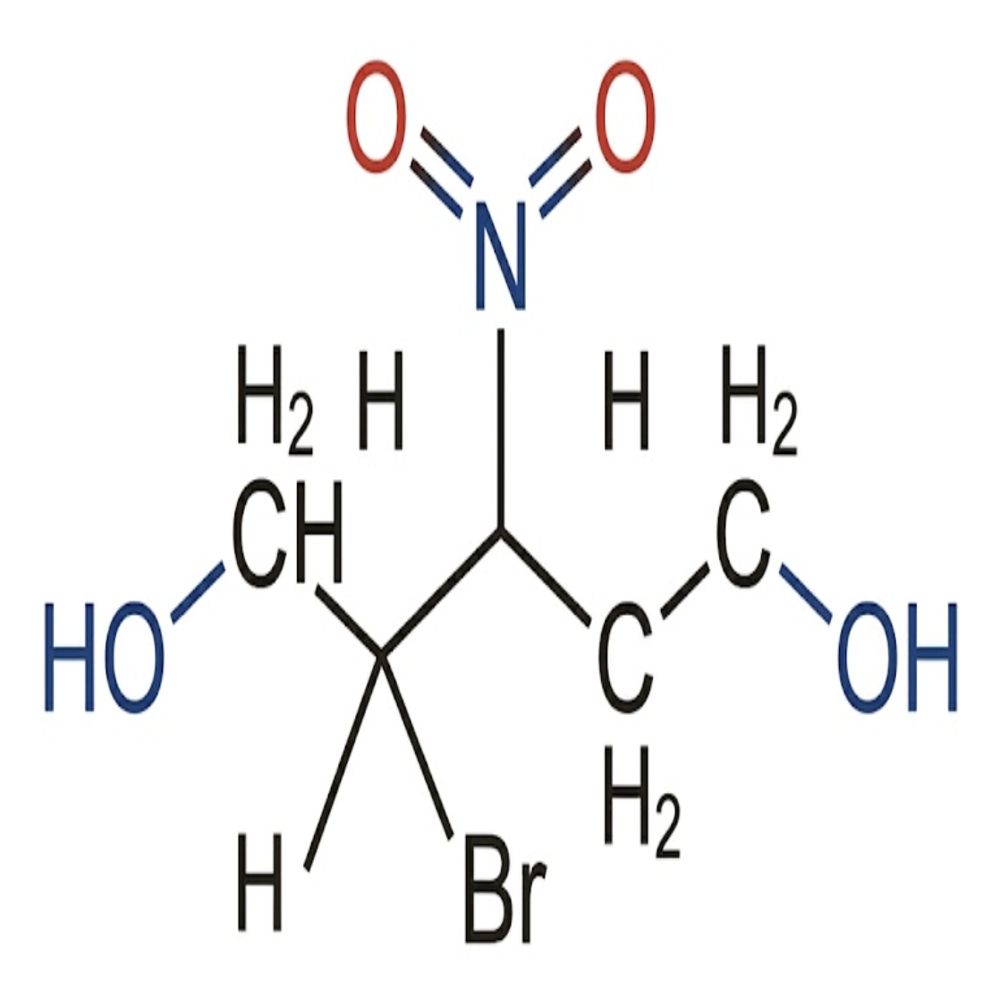
BRONOPOL 20%
Price 280.0 INR / Kilograms
Minimum Order Quantity : 100 Kilograms
Other Names : other
CAS No : 52517
Solubility : other
HS Code : provide after confirmation
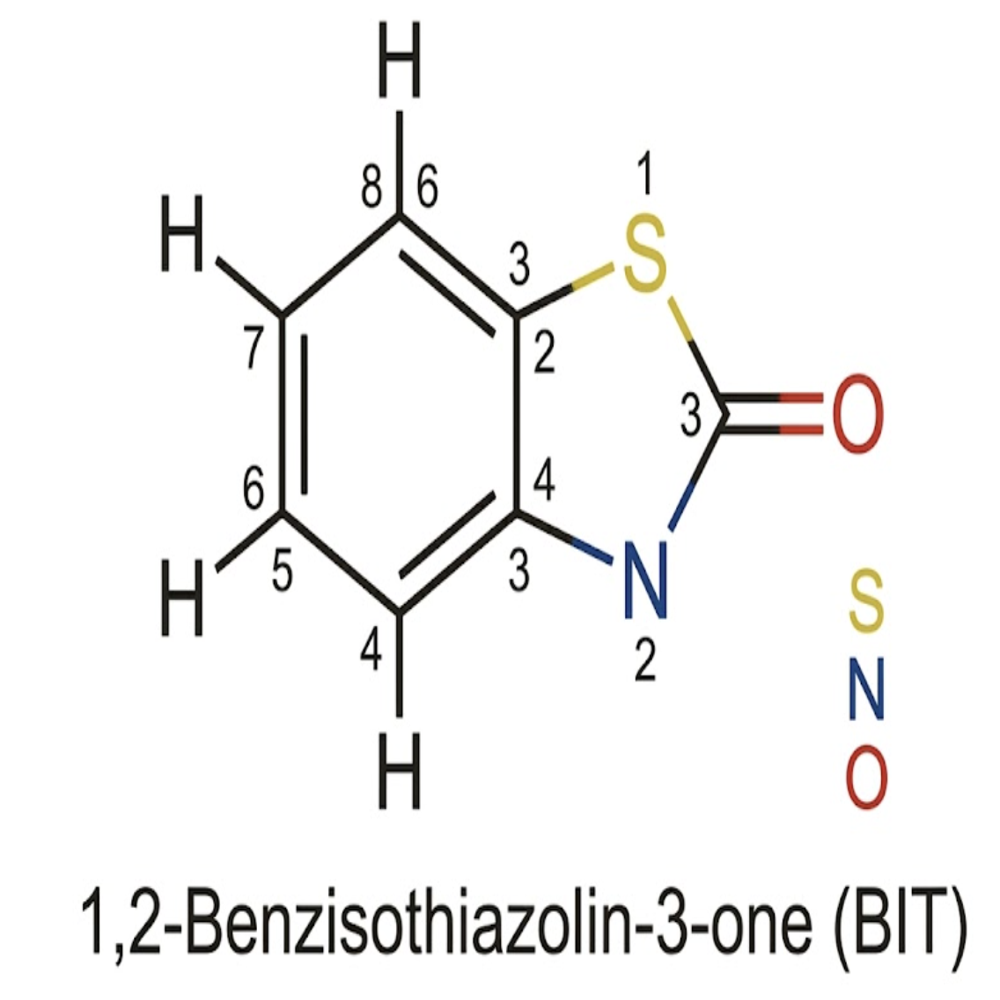
BIT (1,2- BENZISOTHIAZOLIN-3-ONE)
Price 400.0 INR / Kilograms
Minimum Order Quantity : 100 Kilograms
Other Names : BIT
CAS No : 2634335
Solubility : other
HS Code : other
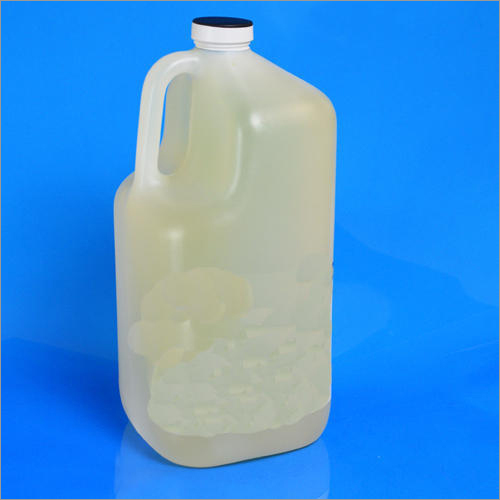
Disinfectant Glutaraldehyde 50%
Price 135.0 INR / Kilograms
Minimum Order Quantity : 25 Kilograms
Other Names : Glutaraldehyde 50%
CAS No : 111308
Solubility : Completely miscible with water
HS Code : 29121990
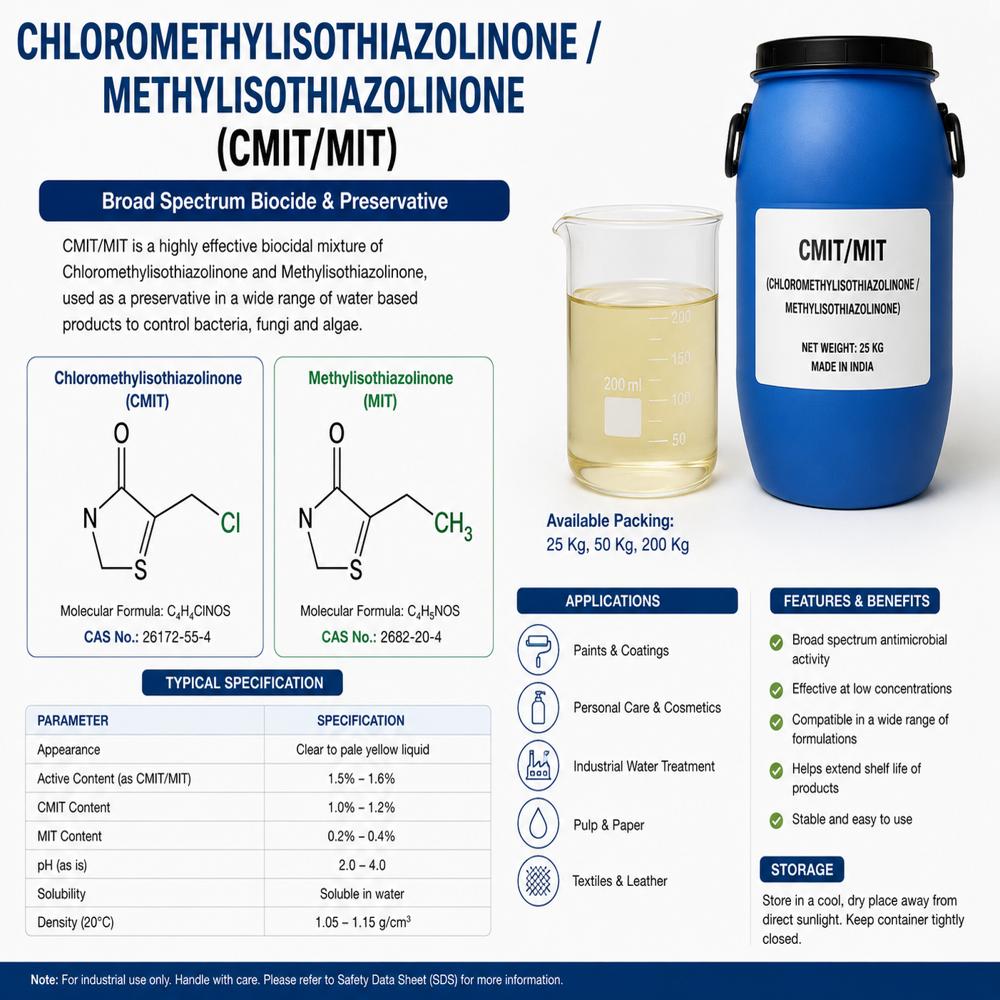
Chloromethylisothiazolinone /Methylisothiazolinone CMIT/MIT
Price 230.0 INR / Kilograms
Minimum Order Quantity : 100 Kilograms
Other Names : Chloromethylisothiazolinone / Methylisothiazolinone
CAS No : 26172554/2682204
Solubility : Completely miscible in water
HS Code : 3808.94.00

Contact Us

- Plot No. C1/3916, Near Crystal Chowkdi,Ankleshwar - 393002, Gujarat, India
- Phone : 08037736091
AXIS PHARMA CHEM
GST : 24AASFA4329G1ZG

- Mr Pravin Patel (Director)
- Mobile : 08037736091
- Send Inquiry
 Send Inquiry

AXIS PHARMA CHEM
All Rights Reserved.(Terms of Use)
Developed and Managed by Infocom Network Private Limited.
Developed and Managed by Infocom Network Private Limited.


 English
 Spanish
 French
 German
 Italian
 Chinese (Simplified)
 Japanese
 Korean
 Arabic
 Portuguese